UX strategy, research and digital design
WCHG
A new website, tenant portal and app for Wythenshawe Community Housing Group, designed to help residents do more online and rely less on the phone.
- Social housing
- Tenant portal
- Primary Research
- UX research
- Usability testing
- Accessibility
- Personas
- Service design
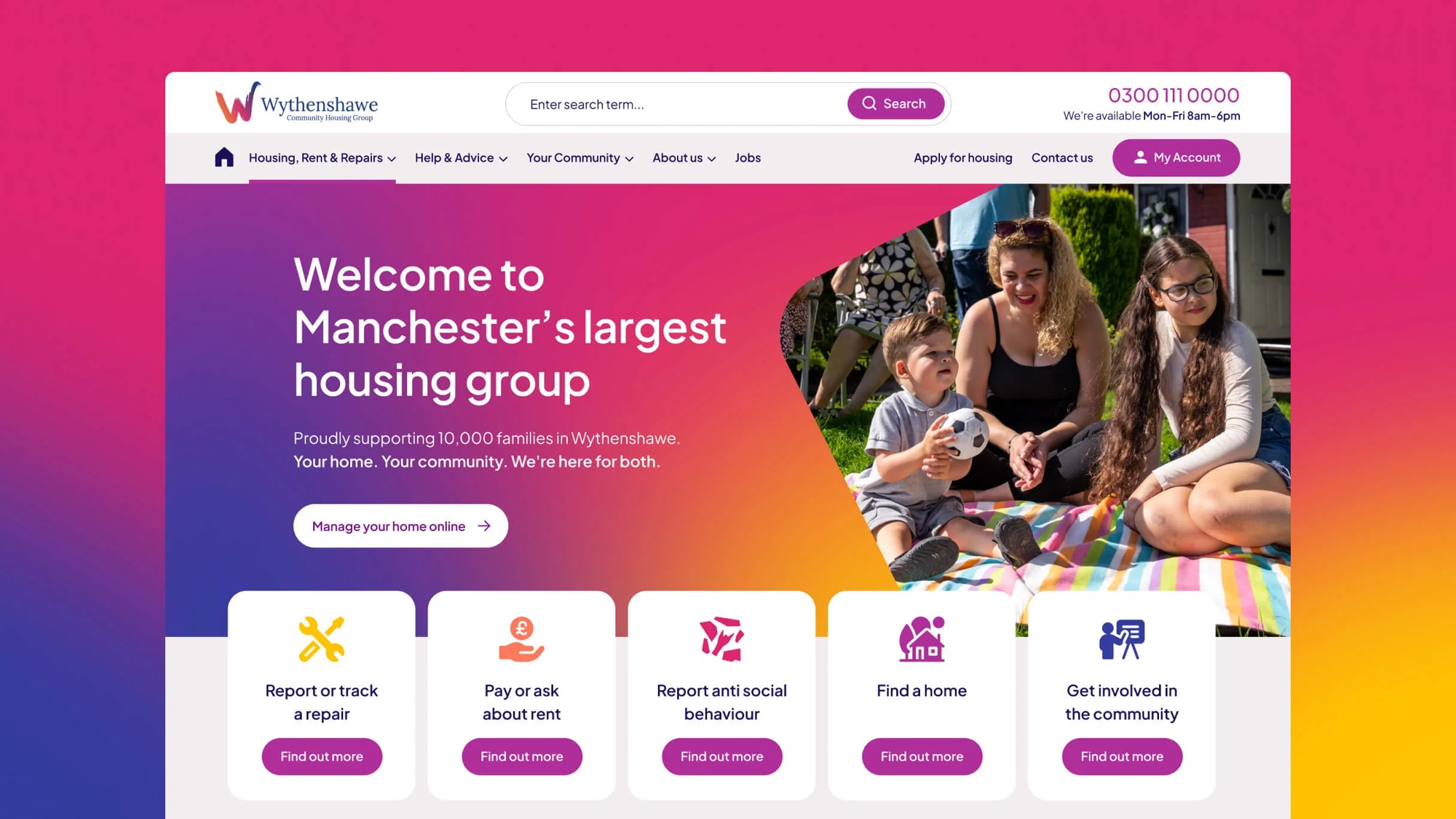
More than 100,000 calls in eleven months, half of them about repairs. The brief was not to force residents online; it was to make the digital route the easier one to trust.”
The impact
- 600+
- Hours of user research and testing with real tenants
- 85%
- Of tenants rated the new version of the app “easy to use”
- Winner
- Digital Transformation, Housing Technology Awards
- Sector
- Social housing
- My role
- UX strategy, research and design lead
- Timeframe
- 2025 to 2026
- Team
- With a cross-disciplinary agency team and WCHG stakeholders
01
The challenge
This is Manchester's largest housing group, serving around 10,000 households, from young mobile-first tenants to older residents on ageing devices, carers and people in financial difficulty. Its website, portal and app had grown hard to trust, so residents fell back on the phone for almost everything. I led the research, strategy and design for a new set of digital services built around the tasks they actually struggle with, then on through to a tested, accessible build. It won Digital Transformation at the Housing Technology Awards.
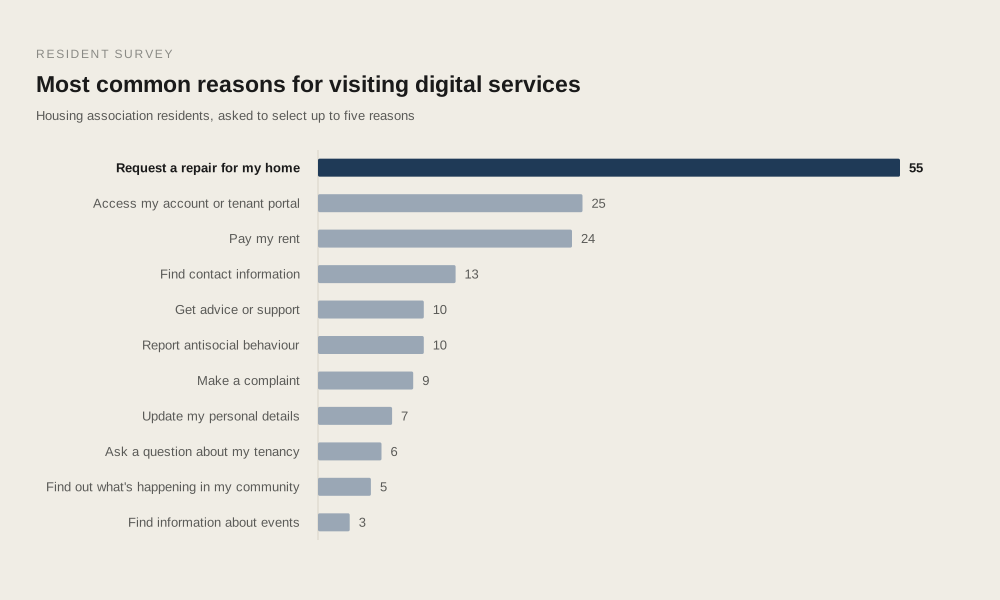
Housing services carry real weight. Paying rent, reporting a repair or chasing a tenancy issue can be stressful and time-sensitive, and for many residents the phone was the only route they trusted. That trust was expensive: call volumes were huge, repairs dominated them, and a dated, content-heavy website rarely offered a faster alternative.
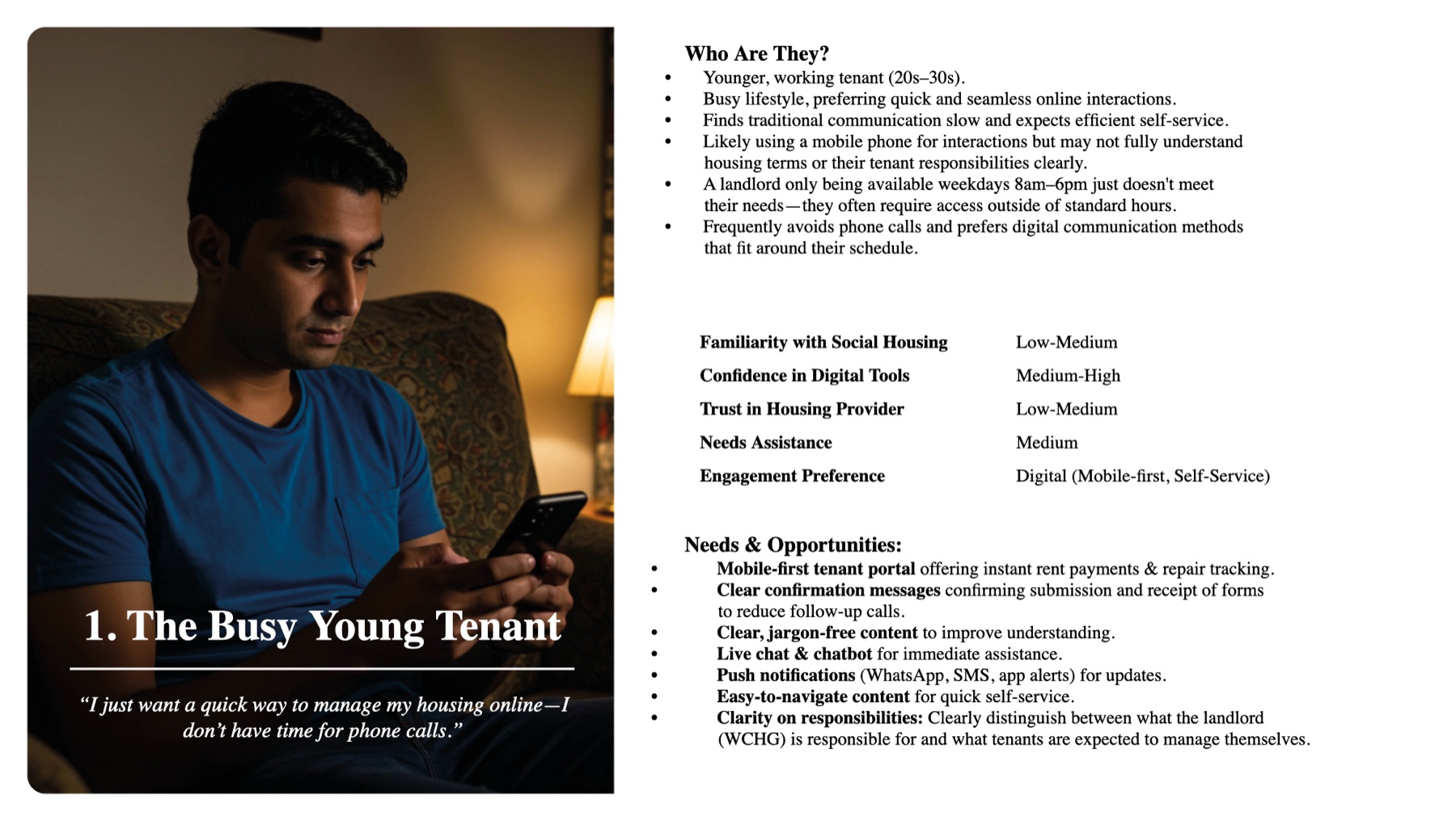
The audience made it harder. Residents ranged from young, mobile-first tenants to older, less confident people on ageing devices, carers acting for someone else, and people in financial difficulty checking their balance every week. A redesign had to work for all of them, or it would simply push more people back to the phone.
The organisation knew the experience needed to improve, but not where to focus or how far to go. The questions I had to resolve were:
- Which tasks truly needed to be online, and which were driving avoidable calls
- How to design for residents with very different confidence, literacy and accessibility needs
- How to build trust in digital among people who defaulted to the phone
02
My role
I led the UX thinking across the programme and stayed hands-on from strategy through to design. In practice that meant:
- Framing the strategy around a single goal: making the digital route the one residents trust
- Planning and facilitating stakeholder workshops to align on structure and priorities
- Designing and leading the research programme, then turning it into a clear direction
- Developing twelve resident and stakeholder personas to keep decisions grounded
- Leading the wireframing and working alongside designers through to a tested, accessible build
03
Evidence used
The direction drew on a deliberately broad evidence base, combining behavioural data with new, direct research:
- GA4 analytics and call-volume data, to see where demand and frustration concentrated
- A heuristic review of the current website and competitor analysis of other providers
- Focus groups with residents across the full range of confidence and need
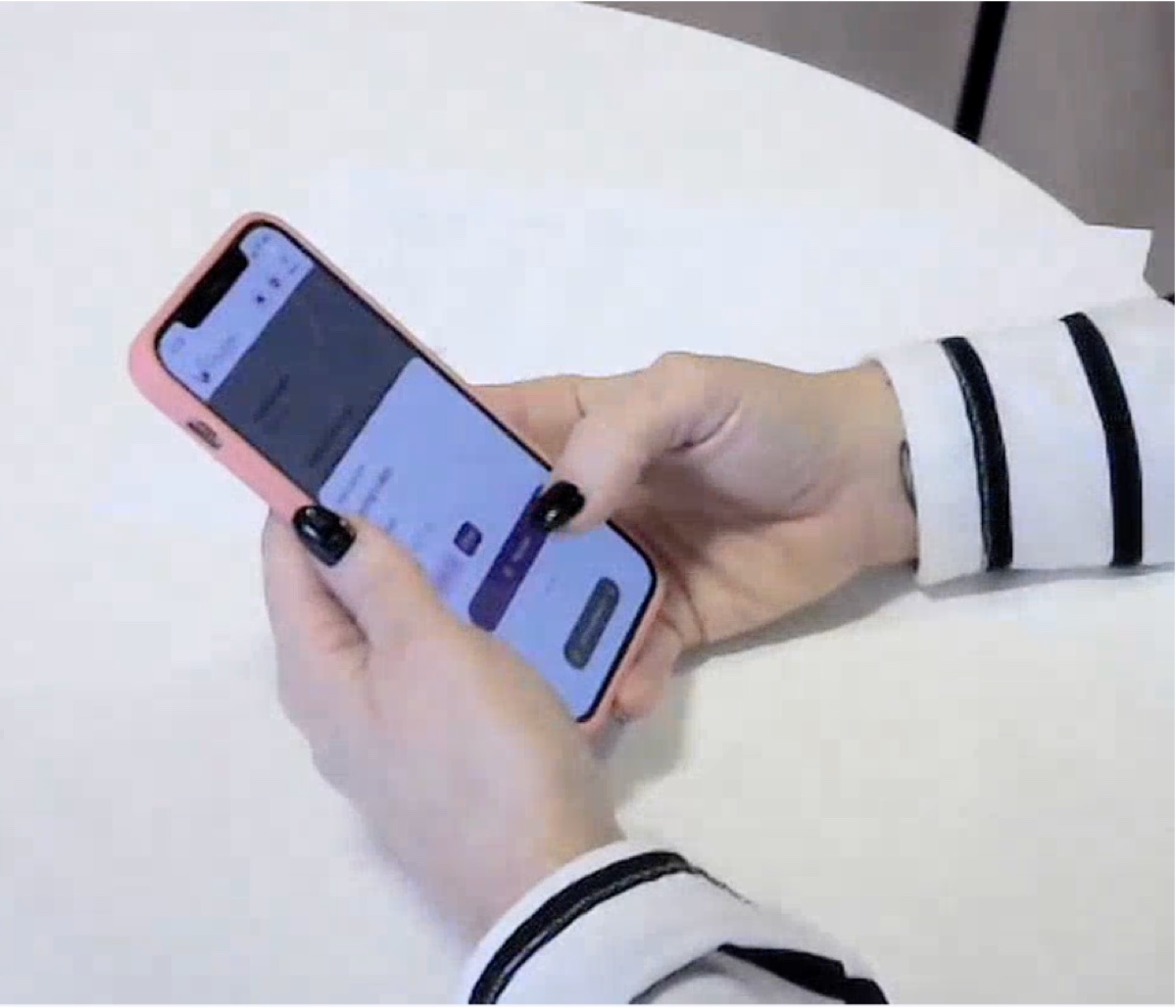
- Moderated usability testing of the portal with twelve residents
04
What I found
The research told a consistent story: residents were willing to go digital, but only if it earned their trust at the moments that mattered.
In their words
I don't know who my rent officer is, which would make me really frustrated.
If I get stuck and I can't read it, I have something that I can click that will read the page to me.
- Repairs drove the most demand and the most difficulty. Residents could not match their problem to the system's categories, and many would abandon the journey and call instead.
- Money tasks needed reassurance, and the hardest of them showed it: setting up a direct debit scored just 2.8 out of 5 for ease. People hesitated when it was not clear what would happen, how much would be taken, or who to contact.
- Navigation behaved unpredictably, with accidental exits and loops that raised anxiety in multi-step journeys.
- Trust was the deciding factor. When confidence dipped, residents fell back on the phone, even after training, and lower-confidence and assisted users struggled most.
05
Strategic recommendations
I turned the evidence into a clear direction for the website, portal and app:
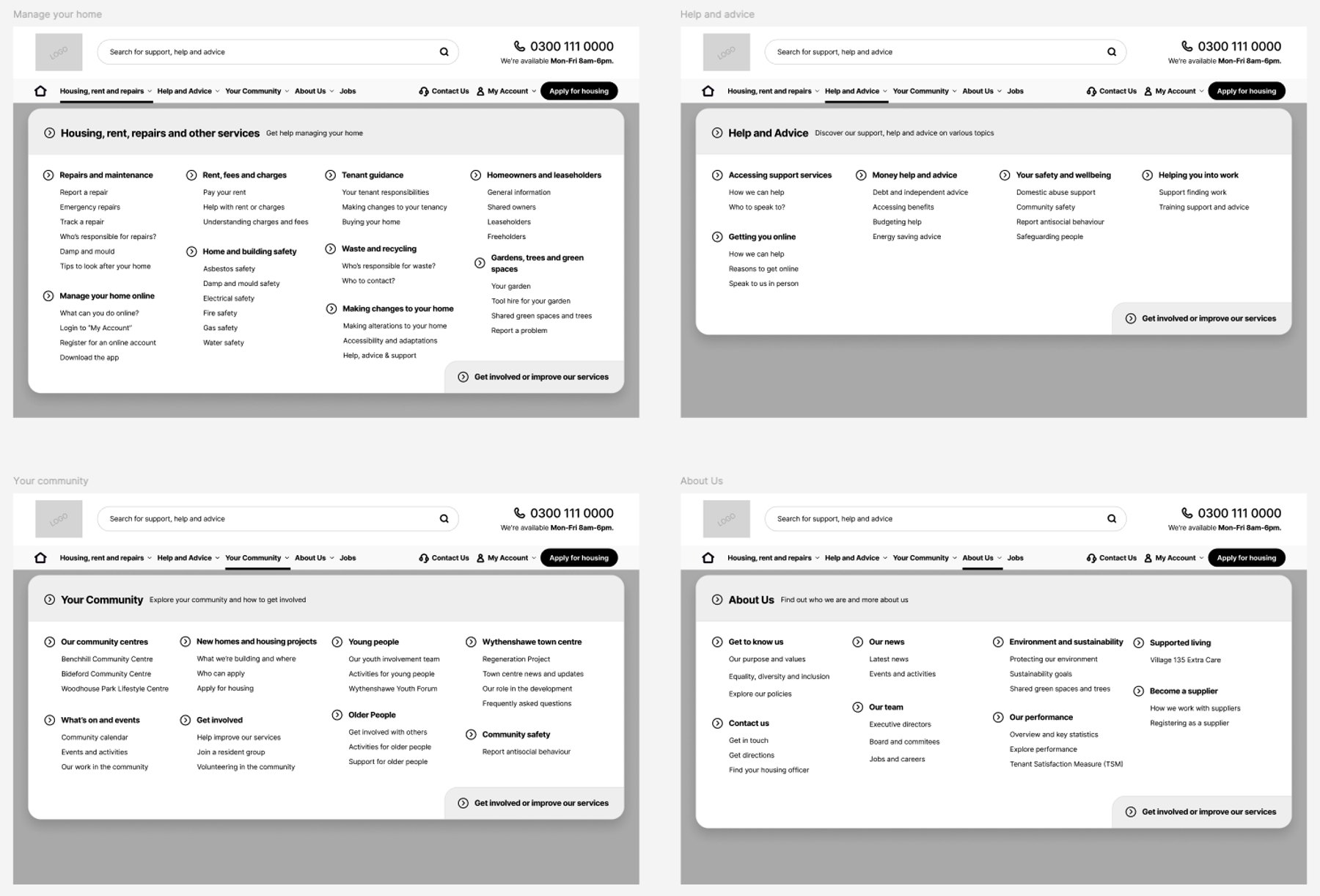
- Restructure navigation and content around the tasks residents actually need, led by repairs and rent.
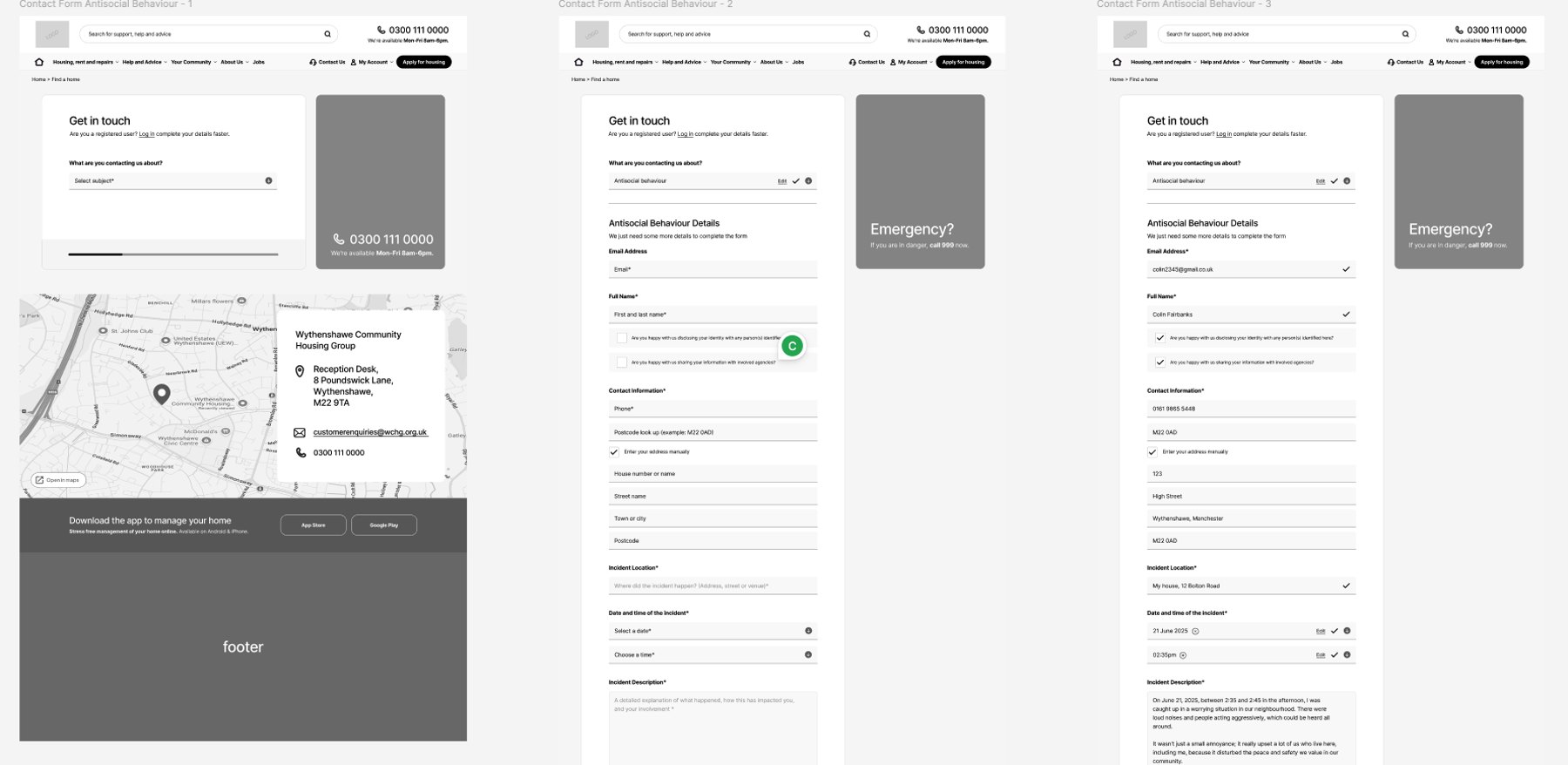
- Rebuild the repair journey around how residents describe problems, not internal categories.
- Add reassurance to money steps: what will happen, how much, when, and who to contact.
- Make progress and exits predictable, and design for a range of confidence and accessibility needs.
- Keep offline routes visible, so no resident is ever forced into digital.
06
Design and iteration
None of this landed in a single pass. The design grew through continual testing and iteration: wireframes and prototypes taken back to residents and stakeholders, refined on an always-on feedback loop, then tested again, so the hardest journeys earned their shape before launch.
- The direct-debit setup, the task that scored lowest for ease in testing, was reworked through successive rounds until residents could complete it with confidence.
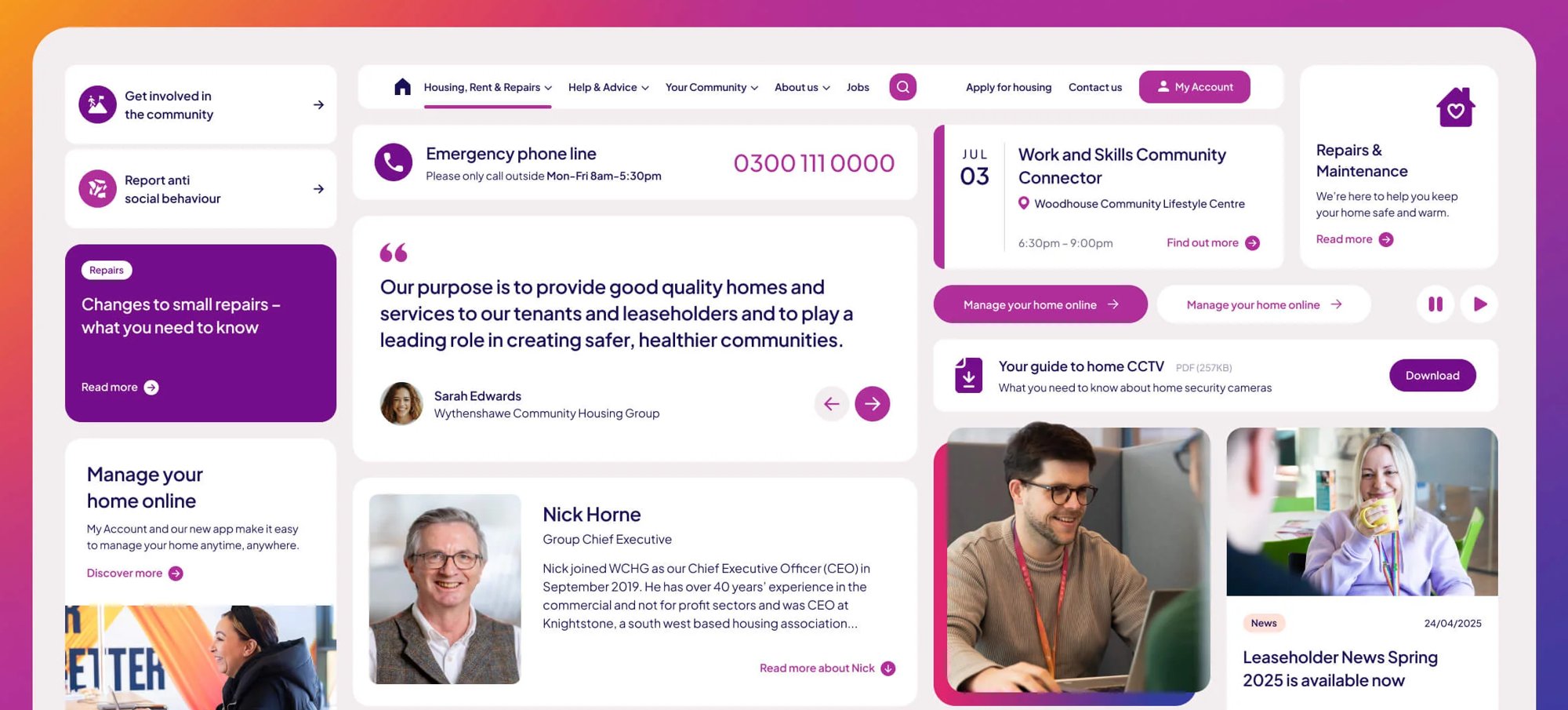
- The visual design was built on a shared component system, so every screen spoke the same language and met the same accessibility bar.
- Each round fed the next, with stakeholder workshops, usability sessions and quick prototype tests catching problems early rather than defending them late.

07
What changed
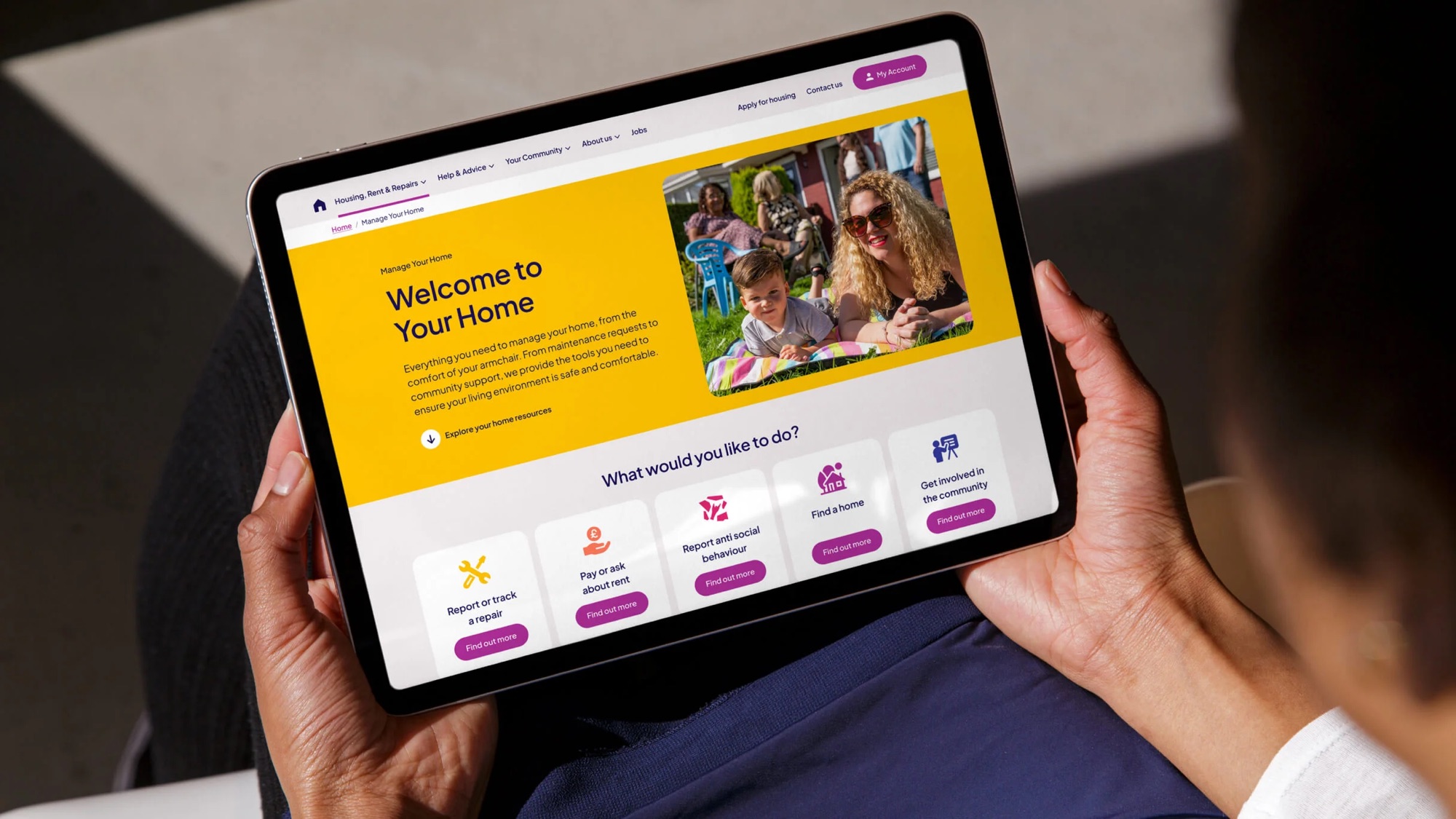
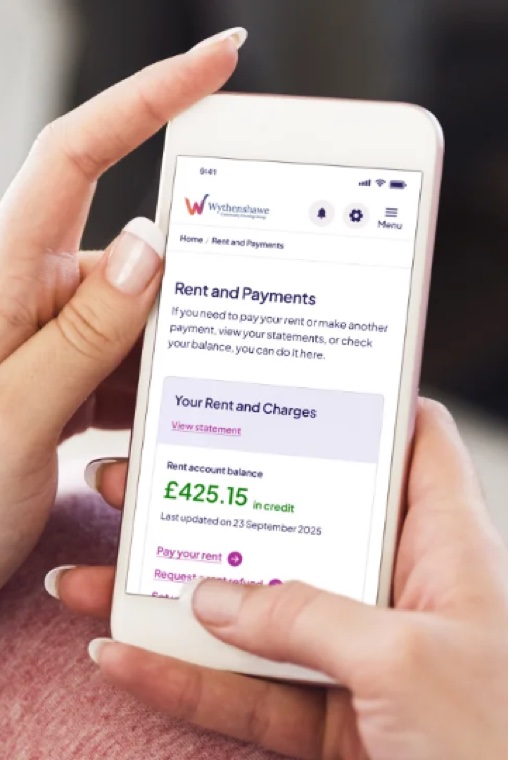
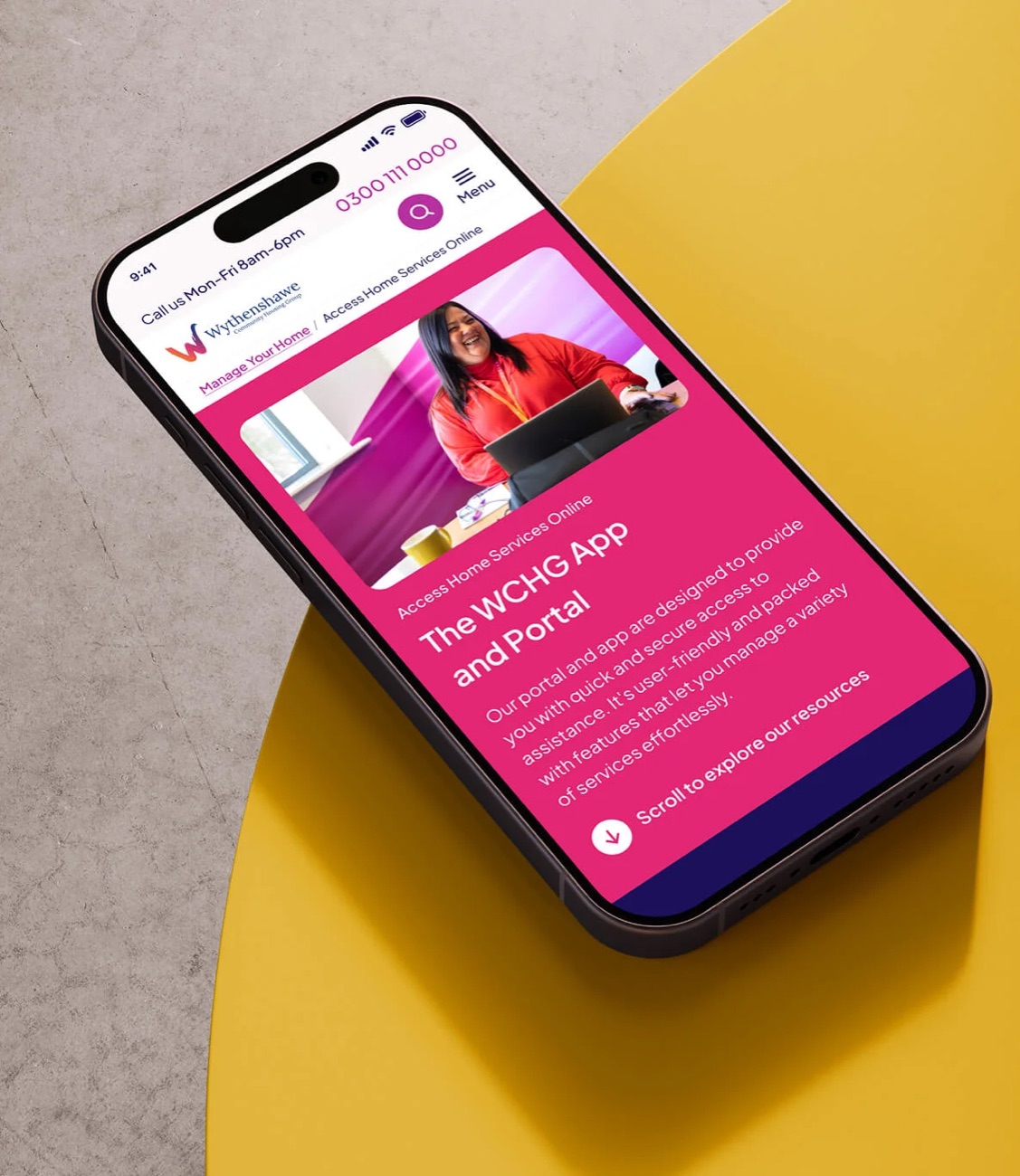
Built on resident evidence, the programme gave WCHG a new website, a tenant portal and an app: a clearer, more trusted digital experience designed to take pressure off the phone without leaving anyone behind. It went on to win the Digital Transformation award at the Housing Technology Awards.
The result is a joined-up experience, grounded in research: a redesigned website, plus a tenant portal and app for paying rent, setting up direct debits and reporting repairs, built on an accessible, task-led system the whole team can work against.
Tenant feedback after launch
The repair process felt so much simpler.
It's easy to use and it's clear. I know exactly what I'm doing.
Client testimonial
From the first discovery sessions through to launch, the process was thorough, well-structured and collaborative. They took the time to understand our residents and our organisation, and that showed in the quality of what they delivered. They were adaptable when we needed them to be, clear in their communication throughout, and genuinely easy to work with. The early results have given us real confidence, and we're looking forward to continuing to develop our digital services together.”
08
Reflection
What I would do next
If continuing, I would prove the impact and keep improving the highest-risk journeys:
- Fix the repair-category and direct-debit issues found in testing, then retest them
- Run post-launch usability testing on the live site and portal against agreed success metrics
- Carry out structured accessibility reviews against recognised standards
- Track call volumes against digital task completion, to measure reduced contact
What I took from it
- In social housing, digital has to earn trust at the hard moments, or residents go back to the phone.
- Designing for the least confident resident makes the experience better for everyone.
- Repairs and money are where confidence is won or lost, so get those journeys right first.
- Research, strategy and design work best when a variety of stakeholders bring different expertise to the same goal.
Let's grab a coffee and start talking.
Hiring a lead position is a serious decision, and one that deserves a proper conversation. I'd welcome the chance to talk you through a decade of research-led strategy, design and team leadership.